

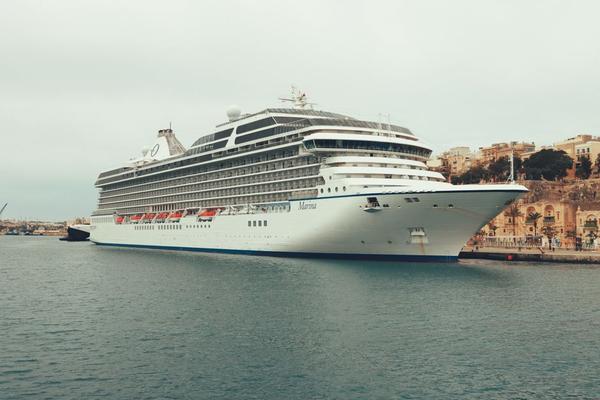
A cruise can go off schedule long before the ship leaves the pier. A delayed flight might mean missing embarkation, an onboard illness can produce an unexpected medical bill, and a change of ports can derail a carefully planned excursion. Travel insurance for cruises is designed to address some of these losses, but the details matter more than the name on the policy.
For U.S. travelers, the question is whether the policy protects the specific costs and complications of an itinerary, from the flight to the departure port through the journey home.
Look Beyond the Price of the Cruise Ticket
Cruise travel insurance can combine trip cancellation, trip interruption, emergency medical, medical evacuation, travel delay, and baggage benefits. Each has its own limits, covered reasons, exclusions, and documentation requirements. A plan marketed for cruises does not automatically include missed-port compensation or every disruption.
Before comparing premiums, list nonrefundable expenses: cruise fare, airfare, hotels, independently booked excursions, and transportation. This reveals which losses need protection and which may already be refundable.
Medical Care at Sea: What Coverage Actually Means
Shipboard treatment is generally an extra expense
Most cruise ships have medical facilities, but they are not replacements for full-service hospitals. The Centers for Disease Control and Prevention notes that onboard consultations, tests, and medications are typically not included in the cruise fare. Travelers may have to pay the ship and then submit an insurance claim.
Check that emergency medical benefits apply aboard the vessel and in countries visited. Confirm the deductible, benefit ceiling, reimbursement process, and requirements for calling the insurer’s assistance service. Medical care at sea can be expensive even when an illness seems minor at first.
Do not assume your U.S. health plan follows you
Many domestic health plans offer limited international benefits. Original Medicare generally does not cover care outside the United States, although narrow exceptions exist. Medicare Part B may cover eligible care aboard a ship in a U.S. port or no more than six hours from one when other conditions are met. Check individual coverage rather than relying on that exception.
Travelers with ongoing conditions should review exclusions and preexisting-condition waiver rules before purchasing. A guide to travel medical insurance abroad can explain how domestic and travel benefits work together.
Why Medical Evacuation Deserves Its Own Check
When a passenger needs treatment beyond the ship’s capabilities, evacuation might involve a transfer to shore, an ambulance, or an aircraft. Cruise evacuation insurance is a separate concern from reimbursement for a doctor visit, and evacuation costs can be substantial.
Read where the policy promises to transport you. Many benefits arrange transfer to the nearest suitable medical facility, not necessarily a hospital near your home. Some require approval or coordination through the assistance provider. Check evacuation limits, round-the-clock assistance, and provisions for a traveling companion.
Cancellation and Interruption Cover Different Moments
Cruise cancellation coverage generally concerns a covered event that prevents departure, such as an eligible unexpected illness or another reason named in the policy. Trip interruption applies after travel begins and may reimburse unused insured arrangements or additional transportation when a covered reason forces you to return early.
Neither benefit means you can cancel for any reason. Changes of mind, known events, and many foreseeable circumstances are excluded from standard policies. Optional cancel-for-any-reason benefits may offer partial reimbursement, but commonly have purchase deadlines, eligibility conditions, and cancellation cutoffs. Read the terms, and consult a guide to trip cancellation insurance for more detail.
Flight Delays, Missed Embarkation, and Missed Connections
A cruise departure is less forgiving than a hotel check-in. If a flight arrives after the ship sails, reaching the next port may involve extra flights, accommodation, or foreign entry requirements. Not every delay qualifies for reimbursement.
Look for travel-delay and missed-connection wording that explicitly addresses cruise departures. Policies can impose minimum delay periods, restrict covered causes, and cap payments. Some cover reasonable additional transport to catch up with the ship; others do not. Arriving in the departure city a day early reduces the risk even when insurance is in place.
Consider a traveler flying to Miami on embarkation morning. A documented mechanical delay causes the traveler to miss the ship. Whether extra travel costs are covered depends on the policy’s named reasons, timing requirements, and missed-connection provisions—not simply on having insurance.
What If the Ship Skips a Port?
Missed ports are a distinctive cruise concern. Captains may alter routes because of weather, safety, or operational conditions. Standard cancellation or interruption coverage should not be assumed to reimburse passengers simply because a planned stop was skipped.
Some specialized plans advertise missed-port benefits, but triggers, covered expenses, and payment limits vary. Check the cruise line’s excursion refund rules separately from insurance for independent tours. A disappointing itinerary change is not automatically an insured financial loss.
Baggage, Valuables, and Travel Documents
Baggage coverage may reimburse eligible loss, theft, damage, or delayed essentials, subject to limits and exclusions. Jewelry and electronics may have lower sublimits. Keep medication, identification, and a change of clothes in your carry-on. If something goes missing, promptly obtain a report from the airline, ship, or relevant authority; receipts can be essential to a claim.
How to Choose a Policy Before Final Payment
Compare full policy documents, not just benefit summaries. Verify the geographical area, travel dates, medical and evacuation limits, cancellation reasons, missed-connection conditions, and deductibles. Check whether independently purchased flights and excursions can be insured.
Timing matters. Some preexisting-condition waivers and optional benefits require purchase within a defined period after your first trip payment and may have additional conditions. Buying early preserves options unavailable closer to departure.
Check your credit card’s benefits guide rather than assuming it replaces insurance. Card protection may be narrow and may not provide overseas medical or evacuation coverage. Keep the insurer’s emergency number offline and use a travel insurance claim checklist to organize receipts, medical records, and delay notices.
Frequently Asked Questions
Is travel insurance required for a cruise?
Requirements depend on the cruise line, itinerary, and destinations. Insurance is not universally mandatory, but check booking terms and entry rules. Medical and evacuation cover is worth serious consideration for international voyages.
Does cruise insurance pay for onboard medical treatment?
It may, if the plan includes applicable emergency medical coverage and treatment meets its conditions. Onboard services are generally billed separately, and reimbursement may require detailed receipts.
Will insurance pay if I miss the ship?
Possibly. It depends on the cause, your policy’s missed-connection terms, delay thresholds, and documented expenses. A late arrival alone does not guarantee payment.
Are missed ports covered?
Only when a specific policy benefit applies. Many plans do not compensate for an itinerary change by itself, so review missed-port wording and excursion refund policies in advance.
Make the Policy Match the Voyage
The strongest travel insurance for cruises matches your real exposure: medical care at sea, an expensive evacuation, nonrefundable bookings, tight connections, and itinerary changes. Review coverage before paying, keep proof of your bookings, and build time into the journey to avoid preventable problems. Insurance can soften a financial setback, but planning remains the first line of protection.
