

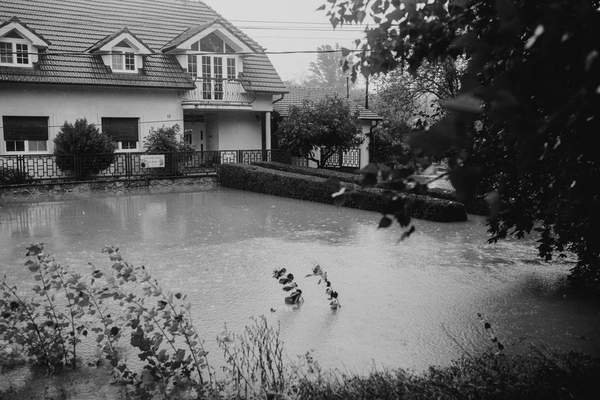
A homeowners policy can be broad, but “broad” does not mean every kind of water damage is covered. One of the most expensive gaps appears when water rises from outside the home. Standard homeowners insurance typically excludes flood damage, so the same storm can produce two different claims: wind damage to the roof may fall under the homeowners policy, while water that enters after a river, drainage system, or storm surge overflows may require a separate flood policy.
The key to comparing flood insurance vs homeowners policy coverage is to focus on the cause of loss. Homeowners insurance protects against many common perils. Flood insurance is designed specifically for direct physical damage caused by qualifying flooding.
What a Standard Homeowners Policy Usually Covers
A typical homeowners policy generally covers the dwelling, belongings, liability, and additional living expenses after covered losses. Common covered causes can include fire, theft, wind, hail, and certain sudden and accidental water losses, subject to policy terms.
For example, if a pipe suddenly bursts inside a properly maintained home, the resulting water damage may be covered. If wind damages the roof and rain enters through that storm-created opening, coverage may also apply. Those situations are different from water rising across normally dry ground and entering the house.
This is where the flood exclusion homeowners often overlook becomes important. Flood is usually listed among the exclusions, so a standard homeowners policy is not intended to pay for damage caused by external rising water. Sewer or drain backup can also be treated separately and may require an endorsement.
What Counts as a Flood for Insurance Purposes?
Flood insurance applies to qualifying flood events rather than every leak or puddle. Under the National Flood Insurance Program, flood generally involves a temporary condition in which normally dry land is partially or completely inundated, such as from overflowing inland or tidal waters, unusual and rapid accumulation or runoff of surface water, or certain mudflows.
Imagine a severe storm hits a neighborhood. A tree limb damages the roof, while surface water then flows from the street into the first floor. The roof damage may be handled under homeowners insurance, but the rising water damage may fall under flood insurance.
NFIP Flood Insurance: What It Adds
NFIP flood insurance is available to eligible property owners in participating communities. For a single-family home under the regular program, NFIP limits can provide up to $250,000 of building coverage and up to $100,000 of contents coverage. Building and contents coverage are distinct, and each can have its own deductible.
Building coverage can include the structure and foundation, electrical and plumbing systems, furnaces, water heaters, permanently installed cabinets, and certain built-in appliances. Contents coverage can protect belongings such as furniture, clothing, electronics, curtains, washers, and dryers, subject to policy terms.
NFIP coverage also has restrictions. Personal property stored in basements receives very limited protection, and items such as landscaping, fences, swimming pools, vehicles, and most temporary housing costs are not covered by the standard NFIP policy. The coverage limit is not a promise that every flood-related expense will be reimbursed.
How Private Flood Coverage Can Differ
Private flood coverage is another option in many markets. Private insurers set their own terms, so policies can differ significantly from NFIP coverage. Some may offer building limits above the NFIP maximum or broader features. Others may use different deductibles, exclusions, underwriting rules, or waiting periods.
For a higher-value home, limits matter. A house that would cost far more than $250,000 to rebuild may need private flood coverage or another arrangement to reduce the gap between a potential flood loss and the NFIP building limit.
If a lender requires flood insurance, confirm that a private policy will satisfy the requirement before buying it. Compare definitions, exclusions, replacement-cost provisions, contents coverage, and limits carefully.
Flood Zones Affect Requirements, Not Whether Risk Exists
Flood zone insurance is often discussed as though only high-risk homes need protection. FEMA flood maps help identify risk and determine when coverage may be mandatory, but lower-risk zones are not no-risk zones. FEMA reports that almost one-third of NFIP claims from 2014 through 2024 came from areas outside current high-risk flood zones.
Homes in Special Flood Hazard Areas with certain federally related mortgages are generally required to carry flood insurance. Outside those areas, a lender may still require it, and homeowners can often buy coverage voluntarily. Review your flood map, drainage patterns, prior local flooding, and rebuilding cost before deciding how much protection makes sense.
The Timing Gap Matters Too
Waiting until a major storm is forecast can be too late. A new NFIP policy generally takes effect 30 days after purchase, although exceptions apply, including some mortgage transactions and certain newly mapped or post-wildfire situations. Private policies may use different waiting periods.
Flood coverage is therefore a planning decision rather than an emergency purchase. Reviewing flood insurance basics for homeowners, checking your flood zone and property risk, and comparing disaster insurance coverage gaps can help you act while options are still available.
How to Compare the Two Policies Side by Side
Start with the cause of damage, then compare what each policy actually pays for. Homeowners insurance is broader across many everyday and catastrophic perils but generally excludes flood. Flood insurance is narrower because it focuses on flood, yet it fills the specific gap that standard homeowners coverage leaves open.
When reviewing quotes or existing policies, compare the dwelling limit, contents limit, deductibles, basement restrictions, additional living expense coverage, replacement-cost treatment, waiting period, and lender requirements. Also check whether sewer backup is excluded, included, or available by endorsement under the homeowners policy, because it should not be confused with flood coverage.
FAQ
Does homeowners insurance cover flood damage from heavy rain?
Usually not when heavy rain creates rising surface water that enters the home. Standard homeowners policies generally exclude flood. Rain damage caused by a covered event, such as wind creating an opening in the roof, can be treated differently depending on the policy.
Do I need flood insurance if I am not in a high-risk flood zone?
You may not be required to carry it, but flooding can occur outside high-risk zones. Review your property’s actual exposure rather than relying on the map designation alone.
Is NFIP flood insurance the same as private flood insurance?
No. NFIP policies use federal program terms and limits, while private flood policies are issued by private insurers and can offer different limits, exclusions, deductibles, and features.
Can I buy flood insurance right before a storm?
You can apply, but coverage may not begin immediately. NFIP policies generally have a 30-day waiting period unless an exception applies, so buying before a storm is forecast may not protect you from that event.
Closing the Coverage Gap Before a Loss
The most important difference is the cause of loss each policy is designed to cover. Homeowners insurance can protect against many serious risks, but external flooding is generally outside its scope. A separate NFIP or private flood policy addresses that gap. Review both policies together, confirm the limits that fit your home and belongings, and make the decision before rising water turns a coverage assumption into an expensive surprise.
