

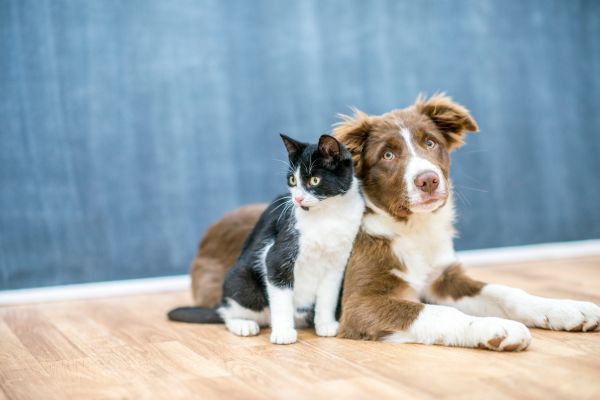
Pet ownership is full of small, joyful routines and the occasional moment of panic. One minute your dog is chasing a ball across the yard, the next he limps back with a yelp. Your cat, usually graceful, misjudges a jump and lands awkwardly. These sudden moments are where accident-only pet insurance quietly enters the conversation, often after the fact, when emotions are high and vet bills arrive faster than expected.
Accident-only pet insurance is not the most talked-about form of coverage, yet it fills a very specific and practical role. It is designed for pet owners who want protection against the unexpected without committing to comprehensive policies that cover everything from routine care to chronic illness. Understanding how this type of insurance works, what it covers, and who it suits best can help you decide whether it fits your life with your pet.
Understanding accident-only pet insurance
Accident-only pet insurance is exactly what it sounds like: coverage that applies when your pet is injured due to an accident. This might include incidents like broken bones, bite wounds, burns, or injuries caused by being hit by a vehicle. Unlike broader plans, it does not extend to illnesses, hereditary conditions, or routine veterinary visits.
This type of policy exists for people who are less concerned about long-term medical conditions and more focused on sudden emergencies. It is often chosen by owners of younger pets, pets with minimal health issues, or those who simply want a financial safety net for worst-case scenarios rather than comprehensive medical coverage.
Why accidents are a bigger risk than many realize
Even the most careful pet owners cannot control everything. Dogs slip leashes, cats escape through open windows, and curious animals investigate things they should not. Accidents tend to happen quickly and without warning, which makes them financially stressful.
Emergency veterinary care is often more expensive than routine visits. After-hours clinics, diagnostic imaging, surgery, and follow-up care can add up rapidly. Accident-only pet insurance is built around these moments, when immediate treatment is necessary and delaying care is not an option.
For many owners, the appeal lies in knowing that if something sudden happens, they will not be forced to choose between their savings and their pet’s well-being.
What accident-only pet insurance typically covers
Coverage under accident-only pet insurance focuses on physical injuries caused by external events. This usually includes fractures, lacerations, internal injuries, and trauma-related surgeries. In some cases, ingestion of foreign objects, such as toys or household items, may also be covered if it results in an emergency procedure.
Treatment costs linked directly to the accident are generally eligible for reimbursement. This can include emergency exams, diagnostic tests, surgery, hospitalization, and prescribed medications related to the injury. The emphasis is always on the immediate medical response required after the accident occurs.
It is important to understand that coverage applies only when the injury is accidental in nature. Anything considered an illness, even if it appears suddenly, typically falls outside the scope of these policies.
Common exclusions that surprise pet owners
One of the most misunderstood aspects of accident-only pet insurance is what it does not cover. Illnesses, infections, and chronic conditions are almost always excluded, even if they develop rapidly or appear severe. Conditions such as cancer, diabetes, allergies, or digestive disorders are not part of accident-only coverage.
Preventive care is also excluded. Routine checkups, vaccinations, dental cleanings, and spay or neuter procedures are not considered accidents. Additionally, pre-existing conditions are generally not covered, meaning any injury or issue that occurred before the policy started will be excluded.
Understanding these limitations upfront helps avoid disappointment later. Accident-only pet insurance is narrow by design, and it works best when expectations are aligned with its purpose.
How accident-only coverage compares to comprehensive plans
Compared to comprehensive pet insurance, accident-only pet insurance is simpler and more focused. Comprehensive plans usually combine accident and illness coverage, sometimes with optional wellness add-ons. They are broader in scope but also come with higher premiums and more detailed policy structures.
Accident-only coverage strips things back to the basics. It does not try to be all-encompassing, which makes it easier to understand and manage. For some pet owners, this simplicity is refreshing. For others, it may feel limiting, especially if their pet later develops health issues unrelated to injury.
The choice between accident-only and comprehensive insurance often comes down to budget, risk tolerance, and how much uncertainty an owner is comfortable managing on their own.
Who accident-only pet insurance is best suited for
Accident-only pet insurance tends to suit specific situations rather than everyone. Owners of young, healthy pets often consider it a temporary solution, offering protection during the most active and accident-prone years. It can also appeal to those who have set aside savings for illness but want extra support for emergency injuries.
Some pet owners prefer to self-fund routine and illness-related care while insuring against high-cost accidents. Others may have older pets that no longer qualify for full coverage but can still be insured for accidents.
Lifestyle also plays a role. Pets that spend time outdoors, travel frequently, or participate in physically demanding activities may face a higher risk of injury, making accident-only coverage more appealing.
Cost considerations and value perception
One of the biggest advantages of accident-only pet insurance is affordability. Premiums are generally lower than comprehensive policies because the coverage is narrower and the insurer’s risk is reduced. For owners on a tight budget, this can make insurance feel accessible rather than overwhelming.
However, lower cost does not always mean better value. The real value of accident-only pet insurance depends on how likely you are to use it and how comfortable you are covering non-accident expenses yourself. Some owners never file a claim, while others find the coverage invaluable after a single emergency.
Viewing accident-only insurance as a financial tool rather than a complete healthcare solution helps put its cost into perspective.
Tips for choosing the right accident-only policy
Reading the fine print matters more than many people expect. Policies can vary in how they define an accident, what reimbursement limits apply, and how deductibles work. Some plans have annual caps, while others set per-incident limits.
Waiting periods are another detail worth noting. Coverage usually does not begin immediately, which means accidents occurring shortly after enrollment may not be eligible. Understanding these timelines prevents unpleasant surprises.
It is also worth considering how claims are handled. Straightforward reimbursement processes and clear communication can make a stressful situation easier to manage when your pet needs urgent care.
Living with accident-only pet insurance
Having accident-only pet insurance does not change how accidents feel when they happen, but it can change how you respond. Knowing that some financial support is available often allows owners to focus on their pet’s recovery rather than the cost of treatment.
That said, it requires ongoing awareness of what is and is not covered. Owners who choose accident-only coverage tend to become more engaged with their pet’s health, recognizing early signs of illness and planning ahead for expenses that insurance will not cover.
In many ways, accident-only pet insurance encourages a more intentional approach to pet care, balancing preparation with personal responsibility.
A thoughtful conclusion on accident-only pet insurance
Accident-only pet insurance occupies a quiet but important space in the world of pet care. It is not a one-size-fits-all solution, nor does it pretend to cover every possible scenario. Instead, it focuses on those sudden, heart-stopping moments when accidents happen and immediate care is essential.
For some pet owners, this focused protection is exactly what they need. For others, it may serve as a stepping stone toward broader coverage or as a complement to personal savings. The key is understanding its purpose and limitations before deciding.
When chosen thoughtfully, accident-only pet insurance can offer peace of mind without overcomplicating pet ownership. It reminds us that while we cannot prevent every mishap, we can prepare for them in ways that align with our values, budgets, and the lives we share with our pets.
