

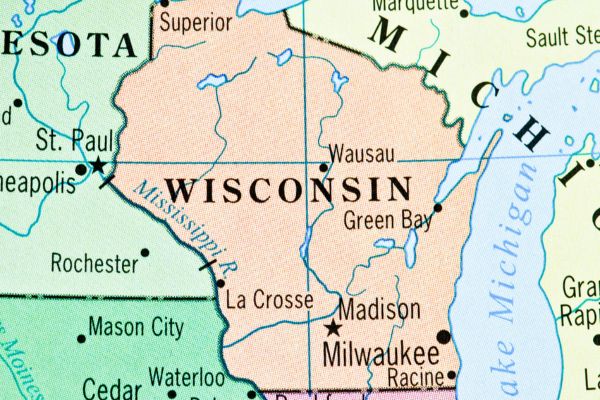
Insurance in Wisconsin is shaped by the state’s mix of lakefront cities, farming communities, college towns, northern cabins, snowy highways, and changing weather. A family in Milwaukee may think first about auto coverage and health insurance networks. A homeowner near Green Bay may worry about winter damage, wind, or a frozen pipe. A small business owner in Madison may need liability protection, while someone with a cabin in the Northwoods may have a completely different set of concerns.
This Wisconsin insurance guide looks at the main policies residents often deal with, how local rules affect coverage, and why understanding the fine print matters. Insurance can feel dry on the surface, but in real life it is closely tied to homes, cars, medical care, income, and long-term stability.
Understanding Insurance in Wisconsin
Wisconsin has a practical insurance landscape. The state requires certain types of coverage, such as auto liability insurance, while other policies are optional but often necessary because of lenders, landlords, employers, or personal risk.
The most important thing to understand is that legal minimums are not always the same as full protection. A policy may satisfy state law but still leave a person paying out of pocket after a serious accident, lawsuit, storm, fire, theft, or medical issue. That gap between “required” and “enough” is where many insurance problems begin.
Wisconsin residents also face regional concerns. Winters can be hard on vehicles and homes. Lake-effect weather can affect certain areas. Rural properties may have different fire protection and access issues than homes in larger cities. Flooding, wind, hail, and freezing temperatures can all influence what type of coverage makes sense.
Wisconsin Auto Insurance Requirements
Auto insurance is one of the clearest legal requirements in Wisconsin. Drivers must carry minimum liability coverage of $25,000 for injury or death of one person, $50,000 for injury or death of two or more people, and $10,000 for property damage. Wisconsin law also requires uninsured motorist bodily injury coverage of at least $25,000 per person and $50,000 per accident.
These limits are often written as 25/50/10, with uninsured motorist coverage listed separately as 25/50. They meet the basic state requirement, but they may not be enough after a serious crash. Vehicle repairs, medical treatment, lost wages, and legal claims can quickly exceed minimum limits.
Liability insurance helps pay for injuries or property damage you cause to others. It does not normally pay to repair your own vehicle. For that, drivers often consider collision and comprehensive coverage. Collision can help after a crash, while comprehensive may apply to theft, vandalism, fire, falling objects, deer collisions, or weather-related damage, depending on the policy.
In a state where winter driving can be unpredictable, many drivers choose more than the minimum. Snow, ice, deer, rural roads, and busy urban traffic all create risks that are not always reflected in the cheapest policy.
Homeowners Insurance in Wisconsin
Wisconsin law does not usually require homeowners insurance by itself, but mortgage lenders almost always do. Even when a home is fully paid off, homeowners insurance is still one of the most important protections a property owner can carry.
A typical homeowners policy may cover the structure of the home, personal belongings, liability, and additional living expenses if the home becomes temporarily unlivable after a covered loss. Still, every policy has limits and exclusions. Homeowners should pay close attention to roof coverage, wind and hail deductibles, water damage rules, sewer backup options, and replacement cost terms.
Wisconsin homes face several seasonal risks. Heavy snow can stress roofs. Frozen pipes can cause expensive water damage. Spring storms may bring wind or hail. In some areas, flooding can be a concern, but standard homeowners insurance generally does not cover flood damage. Flood coverage usually needs to be purchased separately.
A homeowner in Madison, Eau Claire, or Appleton may have different concerns than someone with a lake home, farm property, or cabin. That is why policy details should reflect the actual property, not just the general idea of owning a house.
Renters Insurance for Wisconsin Tenants
Renters insurance is simple, affordable in many cases, and often misunderstood. Tenants sometimes assume a landlord’s insurance covers their personal belongings. Usually, it does not. The landlord’s policy generally protects the building, while the tenant is responsible for personal property inside the apartment or rental home.
Renters insurance may cover furniture, clothing, electronics, kitchen items, and other belongings after covered events such as fire, theft, or certain types of water damage. It may also include liability coverage if a guest is injured and the tenant is legally responsible. Some policies also help pay for temporary housing if the rental unit becomes unlivable after a covered loss.
In college towns like Madison, La Crosse, and Eau Claire, renters insurance can be especially useful for students and young professionals who may not realize how quickly replacement costs add up. A laptop, phone, clothes, furniture, and basic household items can represent thousands of dollars.
Health Insurance and BadgerCare Plus
Health insurance in Wisconsin includes employer-sponsored plans, individual marketplace coverage, Medicare, Medicaid, and BadgerCare Plus. BadgerCare Plus is Wisconsin’s health care program for low-income children, pregnant people, and adults. It provides health insurance benefits to people from birth through age 64 and is considered Wisconsin’s largest Medicaid program.
For people who do not receive insurance through an employer and do not qualify for public coverage, marketplace plans may be an option. These plans can vary by county, premium, deductible, provider network, prescription coverage, and out-of-pocket limits.
When comparing health plans, the monthly premium is only one part of the picture. A lower premium may come with a higher deductible, a smaller doctor network, or more restrictions on certain medications. Wisconsin residents should check whether their preferred doctors, hospitals, clinics, and prescriptions are included before choosing a plan.
Health insurance decisions become even more important for families managing chronic conditions, regular prescriptions, pregnancy, mental health care, or specialist visits. In those cases, the best plan is not always the cheapest one on the first page of results.
Life Insurance and Family Protection
Life insurance is not required by Wisconsin law, but it can play an important role in long-term planning. Its purpose is fairly direct: to provide money to beneficiaries after the insured person dies. That money may help cover a mortgage, rent, childcare, debts, funeral expenses, education costs, or everyday living needs.
Term life insurance provides coverage for a set period, such as 10, 20, or 30 years. Permanent life insurance is designed to last longer and may include a cash value feature, though it is usually more expensive. The right choice depends on income, dependents, debts, age, and budget.
For many Wisconsin families, life insurance becomes more relevant after marriage, buying a home, having children, starting a business, or taking on major debt. It is not just a financial product. It is a way of thinking about who would be financially affected if income suddenly disappeared.
Business Insurance in Wisconsin
Wisconsin has a broad business landscape, from dairy farms and manufacturing companies to restaurants, contractors, healthcare offices, retail shops, and professional services. Because businesses operate differently, their insurance needs also vary.
Common business insurance policies include general liability, commercial property, workers’ compensation, professional liability, commercial auto, cyber liability, and business interruption coverage. A small café in Milwaukee will not need the same coverage as a farm operation, construction company, or consulting firm.
Business owners should be careful not to rely on personal policies for business risks. A personal auto policy may not properly cover commercial driving. A homeowners policy may limit or exclude business equipment. A general liability policy may not cover professional errors unless professional liability coverage is added.
Insurance for a business should be reviewed as the business grows. Hiring employees, buying equipment, signing leases, adding vehicles, or offering new services can all change the risk picture.
Working With Local Insurance Agents
Local insurance agents can help Wisconsin residents understand coverage in a more practical way. They may be familiar with weather patterns, county-level risks, local repair costs, lender expectations, and the types of claims common in the area.
There are captive agents and independent agents. Captive agents usually represent one company, while independent agents may compare policies from several insurers. Both can be useful depending on the situation. The important thing is whether the agent explains coverage clearly and helps the customer understand what is included, what is excluded, and where the gaps may be.
A good agent should not only talk about premiums. They should explain deductibles, coverage limits, claim procedures, and optional endorsements. Price matters, of course, but a low-cost policy can become expensive if it does not respond well when something serious happens.
Wisconsin Insurance Laws and Consumer Protection
The Wisconsin Office of the Commissioner of Insurance regulates insurance activity in the state. Its responsibilities include licensing insurers and agents, reviewing insurance practices, handling consumer concerns, and providing public information about insurance matters.
For consumers, this matters because insurance disputes can happen. Claims may be delayed, denied, underpaid, or misunderstood. Policyholders should keep copies of policies, bills, claim numbers, repair estimates, photographs, letters, emails, and notes from phone calls. Written records can make a major difference if a complaint or appeal becomes necessary.
Before filing a formal complaint, it is usually wise to contact the insurer, ask for the reason in writing, and review the policy language. Sometimes problems come from missing documents or confusion about coverage. Other times, a formal complaint may be appropriate.
Reading the Policy Before Trouble Starts
Many people only read their insurance policy after a loss. By then, the most important decisions have already been made. Deductibles, exclusions, limits, and endorsements determine what the policy actually does.
A homeowners policy may not cover flood damage. An auto policy may meet state law but not cover your own vehicle. A health plan may cover emergency care but limit certain providers. A business policy may cover customer injuries but not professional advice mistakes.
Reading the fine print is not exciting, but it is useful. A yearly review can help catch outdated limits, missing coverage, or changes in household needs. It is especially important after buying a car, moving, remodeling a home, getting married, having a child, starting a business, or retiring.
Conclusion
A thoughtful Wisconsin insurance guide is really a guide to everyday protection. Insurance in the state is shaped by law, weather, local property risks, road conditions, healthcare access, and the different ways people live and work across Wisconsin.
The best approach is not to buy coverage blindly or choose only by price. It is to understand what the law requires, what personal risk looks like, and what a policy will actually cover when a claim happens. From auto insurance and homeowners coverage to BadgerCare Plus, life insurance, and business protection, each policy has a role to play.
Insurance cannot prevent every loss, accident, storm, or medical bill. But with the right coverage and a clear understanding of the details, it can make difficult moments far easier to manage.
